


When courts begin planning a court records digitization project, the focus often goes straight to scanning. But the most important preparation happens before scanning begins.
Legacy court records carry legal importance. They must remain accurate, traceable, and properly preserved. Taking time to document key details before digitizing court archives helps ensure records remain reliable once they become digital files.
When courts prepare their records environment first, the entire digitization project becomes easier to manage and far more successful.
Record Inventory — What Exists and Where It Lives
The first step in digitizing legacy court records is understanding what records exist and where they are stored.
Court archives often include a mix of formats such as paper files, bound volumes, microfilm, and microfiche. These materials may be stored in clerk offices, archive rooms, off-site storage facilities, or older cabinets that have not been opened in years.

An inventory does not need to be perfect. The goal is simply to create a clear picture of the collection. Knowing the approximate number of boxes, rolls, or drawers helps courts plan a digitization project more effectively.
When courts understand their records early, they can plan budgets, timelines, and digitization priorities with greater confidence.
Custody and Control — Who Is Responsible for the Records
Courts should also document who is responsible for the records before a court records digitization project begins.
In some courts, responsibility is straightforward. In larger systems, records may be managed by several departments, including the clerk’s office, records management staff, archives, or IT teams.

During the digitization process, records often move through several steps. Boxes may leave storage rooms, and microfilm may be transported for scanning. Keeping track of who handles the records at each stage helps maintain confidence in how those records were managed.
Clear documentation ensures courts can show exactly how records were handled throughout the digitization process.
Retention Requirements — What Needs to Be Kept
Before digitizing court archives, courts should confirm how long the records must be kept.
State retention schedules outline which records must be preserved and which may eventually be destroyed. Some court records require permanent preservation, while others have defined retention periods.
Reviewing these requirements helps courts focus their court records digitization efforts on the materials that truly require long-term access.
It also helps ensure the project aligns with legal requirements while avoiding unnecessary work.
Indexing Standards — How Records Will Be Found
Digitizing court records is most valuable when those records can be found quickly.
Before scanning begins, courts should decide how records will be labeled and organized in the digital system. This often includes details such as case numbers, party names, filing dates, and other information used in daily court operations.
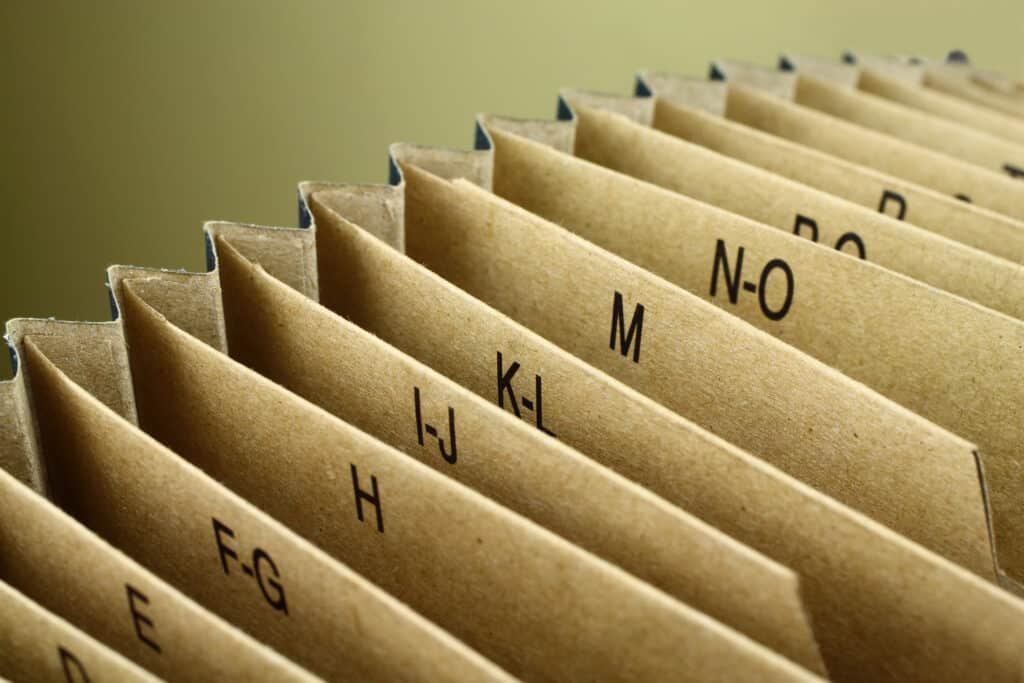
Using consistent indexing makes it easier for staff to locate records quickly. When the digital structure mirrors how staff already search for records, the transition from physical files to digital access becomes much smoother.
Output and Storage — Where the Records Will Live
Courts should also plan where digitized records will be stored and how they will be accessed.
This includes choosing file formats such as PDF or TIFF and deciding whether documents should be searchable. Courts should also determine where the files will live after the court records digitization project is complete, such as within a case management system, a document management system, or a secure digital archive.
Planning these details early ensures the digitized records remain accessible and reliable for years to come.
In Closing: Preparation Leads to Successful Digitization
Digitizing legacy court records can greatly improve how courts access and manage their archives.
By documenting inventory, responsibilities, retention requirements, and indexing standards before digitization begins, courts create a strong foundation for the project. The scanning process becomes smoother, and the resulting digital records are easier to use.
Court records digitization is not simply about converting paper into files. It is about making important records easier to access while preserving their reliability for the future.
Next Steps
Reach out to us today! Click the “Get Your Quote” button below, fill out the form, and we’ll quickly reply to you to discuss your project.
Further Reading
Mastering The Mega-Scan: How to Effectively Digitize 100,000 Microfilm Rolls For A Court System
Take a look at how we helped a court system digitize 100,000 microfilm rolls! We give you the background, discuss logistics, obstacles, and how we made it a success.
Microfiche Reader Replacement: From Jammed Viewers to Keyword Search
Still relying on aging microfiche readers? This article explains why replacing the workflow—not just the hardware—unlocks faster access through searchable digital records and keyword-based retrieval.
Paper to Productive: The 4 KPIs That Prove Your Scanning Project Worked
Digitization only pays off if you can prove it. These four plain-English KPIs—speed, adoption, cost/space, and risk—turn your scanning project into results leadership will recognize.